


 sale
sale




May 20, 2026
Are Tape-In Extensions Bad for Your Hair Long Term? Best Low-Damage Tape-In Brands

You just removed your tape-in extensions after a few months, and the hair underneath looks noticeably thinner. Before assuming tape-ins are automatically damaging, it’s important to understand that results can vary widely depending on application quality, adhesive type, maintenance routine, and your natural hair characteristics.
In most cases, long-term concerns are linked to traction-related stress on the hair rather than the extension method itself. When extensions are installed too tightly or worn without proper maintenance, they may place continuous tension on the follicles over time.
High-quality brands like GOO GOO Hair, which use 100% Remy human hair and carefully designed adhesive systems, are developed to support a more comfortable wearing experience when paired with professional installation and regular repositioning schedules.

Are Tape-In Extensions Bad for Your Hair Long-Term?
Tape-in extensions are often considered one of the gentler semi-permanent methods, but they are not completely risk-free when used improperly. Dermatology experts note that extensions may contribute to breakage or traction-related hair stress if they are installed too tightly or worn continuously beyond the recommended maintenance period without repositioning.
Compared to fusion or traditional sew-in methods, tape-ins use an adhesive bond that can help distribute weight more evenly across the scalp when applied correctly and placed close to the roots without excess tension. However, they still involve more attachment-related stress than non-permanent options such as clip-in extensions or halo systems.
The key takeaway is that tape-ins themselves are not inherently damaging. Most concerns are linked to installation technique, wear duration, and the quality of the adhesive system used, rather than the method alone.
Improper Application vs. the Extensions Themselves
Most concerns related to tape-in extensions are often linked to application or maintenance practices rather than the product design itself. Understanding the difference between these factors is important, as the solutions vary depending on the cause.
Issues associated with improper application or removal may include:
-
Tabs placed too close to the scalp, which can create unnecessary tension on the hair over time
-
Sections that are too large or too small, leading to uneven weight distribution
-
Rough or unprofessional removal without proper solvent, which can pull on natural hair and adhesive residue
-
Extended wear beyond the recommended 6–8 week maintenance window, allowing bonds to shift and increase stress at the attachment points
Concerns related to the extensions themselves are less common, but may include:
-
Sensitivity or allergic reactions to certain adhesive formulations
-
Added weight on very fine or low-density hair, even with correct installation
-
Continuous long-term wear across multiple cycles without giving the natural hair time to rest
When thinning or shedding appears after removal, it is often associated with installation technique, wear duration, or removal method. A trained stylist using proper sectioning and professional adhesive remover can help minimize unnecessary stress on the natural hair.

Warning Signs Your Tape-Ins May Be Causing Stress
If you notice any of the following signs, it may be helpful to check in with your stylist for an evaluation and possible adjustment:
-
Persistent soreness, tightness, or discomfort lasting more than 48 hours after installation
-
Visible thinning or reduced density along the tape lines after removal
-
Noticeable shedding during the removal or reinstallation process
-
Scalp redness, itching, or sensitivity around the bond areas
-
Tangling or matting that cannot be gently detangled
Individuals with active hair shedding concerns, existing scalp sensitivity, or very short natural hair (typically under five inches) may be better suited for non-permanent options such as clip-in extensions or halo systems rather than semi-permanent tape-in methods.
How to Minimize Damage from Tape-In Extensions
Professional installation and proper removal are key best practices for maintaining healthy hair with tape-in extensions. Beyond that, a few simple daily and monthly habits can significantly help reduce unnecessary stress on the hair and scalp:
-
Follow a consistent 6–8 week maintenance schedule for repositioning. Allowing extensions to grow out too far is one of the most common factors that can increase tension over time.
-
Use sulfate-free and alcohol-free shampoos to help maintain the adhesive bond and support your natural hair’s moisture balance.
-
Brush while supporting the roots. Hold the weft in place with one hand while gently detangling below to reduce tension on the scalp.
-
Fully dry the tape area after washing. Moisture trapped near the bonds can weaken adhesion and may lead to shifting or pulling.
-
Avoid applying oil-based products directly near the bond area, as oils may gradually break down the adhesive and affect retention.
-
Take breaks between installation cycles. Even a short rest period of four to six weeks can help give your natural hair time to recover between applications.
What to Look for in Gentle Adhesive Formulas
Hypoallergenic, skin-friendly adhesive systems are one of the most important factors in supporting overall hair and scalp comfort with tape-in extensions. These formulas are typically acrylic- or gel-based and are designed to provide a secure yet flexible bond that can move more naturally with the hair, helping reduce unnecessary tension during daily wear. Most systems are intended for 6–8 weeks of wear and are designed to be removed with professional-grade removers.
Key characteristics of a gentle adhesive system:
-
Hypoallergenic formulations designed to minimize exposure to common irritants such as latex
-
Ultra-thin or low-profile tape tabs that lay flat against the scalp, helping reduce bulk at the attachment points
-
Flexible hold that maintains stability through washing and styling without feeling overly rigid
-
Removal designed for use with professional solvents to help lift the bond without excessive pulling or scraping
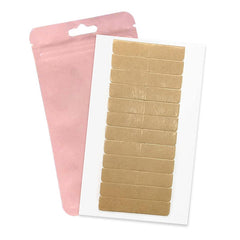
GOO GOO Hair tape-in extensions, for example, combine lightweight 100% Remy human hair wefts with thoughtfully designed adhesive systems intended to support a more comfortable wearing experience. Brands that also offer replacement tape tabs can make maintenance appointments more efficient and help reduce stress during repositioning sessions.

Tape-Ins vs Other Extension Methods: Damage Comparison
Tape-in extensions generally fall within a moderate range of potential hair stress compared to other extension methods. They tend to involve less long-term tension than permanent bonded or fusion techniques, while still requiring more maintenance and attachment care than fully removable options.
| Method | Relative Tension Level | Why |
| Halo wire | Lowest | No direct attachment to natural hair |
| Clip-ins | Low | Temporary daily wear with no long-term bonding |
| Lightweight tape-ins | Low–moderate | Even weight distribution, but still involves adhesive contact and maintenance cycles |
| Sew-in weaves | Moderate–high | Braided base can create sustained tension depending on tightness and wear duration |
| Fusion/bonded | Higher | Individual strand bonding using heat or adhesive, which can increase long-term attachment stress |
Who Should Avoid Tape-In Extensions?
Certain hair types and scalp conditions may not be the best match for tape-in extensions, regardless of brand or product quality. If any of the following apply, clip-in or halo alternatives may be a more suitable starting point:
-
Very fine or actively thinning hair that may be more sensitive to added tension, even with lightweight wefts
-
Existing scalp conditions such as psoriasis, eczema, or dermatitis in areas where extensions would be applied
-
Previous sensitivity or reactions to adhesive or skin-contact products
-
Natural hair shorter than five inches, which may not provide enough length for secure and discreet bonding
GOO GOO Hair also offers clip-in extensions made from the same 100% Remy human hair, providing a non-permanent alternative for those who prefer a lower-commitment option or fall into the categories above.
Frequently Asked Questions
Q1: Can tape-in extensions cause permanent hair loss?
A1: Tape-in extensions may contribute to traction-related hair loss if they are installed too tightly or worn continuously beyond the recommended two-to-three-month maintenance window without repositioning. Following a professional maintenance schedule and choosing high-quality lightweight Remy wefts with gentle adhesive systems, such as those offered by GOO GOO Hair, may help reduce unnecessary tension on the natural hair.
Q2: How often should I take breaks from tape-in extensions?
A2: Hair care professionals often recommend taking a break after two to three consecutive installation cycles. A rest period of around four to six weeks can help reduce accumulated tension and give the natural hair time to recover between applications.
Q3: What is the safest way to remove tape-in extensions?
A3: The safest method is professional removal using a dedicated adhesive solvent. A stylist applies the remover to help break down the bond so the tabs can be gently slid off without pulling on the natural hair. At-home removal or improper products may increase the risk of unnecessary tugging or residue buildup.
Q4: Are tape-in extensions safe for color-treated hair?A4: Tape-in extensions are generally compatible with color-treated hair when proper care practices are followed. Using sulfate-free and alcohol-free products and avoiding direct chemical application on the tape bonds can help maintain adhesion. High-quality 100% Remy human hair extensions also allow for better color matching and more natural blending results.
 Find Your Gentle Tape-In Match
If protecting your natural hair is a top priority, it helps to start with extensions designed with comfort and wearability in mind. Explore the full tape-in collection at GOO GOO Hair (googoohair.com) for 100% Remy human hair extensions featuring lightweight weft construction, thoughtfully designed adhesive systems, and replacement tape options that can make maintenance appointments more efficient for stylists and clients.
With free worldwide shipping and a 30-day exchange and return policy, you can choose your preferred shade and length with greater flexibility and confidence.


Comient (0)
No comments yet. Be the first to leave a comment.
Leave A Comment