


 sale
sale




May 15, 2026
How to Prevent Damage When Wearing Tape-In Hair Extensions

You removed your tape-in extensions after eight weeks and noticed shorter strands or increased shedding around the attachment areas. While this can feel concerning, hair stress in these cases is often associated with improper installation, excessive tension, or forceful removal rather than the extensions themselves. When professionally applied, properly maintained, and removed with a compatible adhesive remover, tape-in systems are designed for comfortable, controlled wear cycles. Brands such as GOO GOO Hair combine 100% Remy human hair wefts with ultra-thin, scalp-friendly adhesive strips and a dedicated adhesive remover to support a more balanced installation and removal process from application through takedown.

Understanding Tape-In Extension Damage (What Actually Causes It)
Tape-in extensions do not inherently damage hair. Breakage results from three mechanical errors: excess tension from improper placement, thick sectioning that overloads individual strands, and dry pulling during removal. Distinguishing between extension-caused damage and technique-caused damage changes the conversation entirely.
Extensions vs. Application Errors
When a stylist places tape tabs too close to the scalp, the bond may create ongoing tension that can, over time, contribute to signs of traction-related hair stress. When sections are too thick, weight distribution becomes uneven and may place excess pressure on fewer strands. When tape extensions are removed without a proper solvent, the adhesive can lift or disrupt the hair cuticle during separation.
In most cases, these issues are typically not caused by the hair extension system itself, but rather by how it is applied, worn, or removed.
The Real Culprit: Removal Day
Most clients report damage specifically after removal appointments. Rushing the dissolution step or using an incompatible solvent leaves adhesive partially bonded to natural hair, which then gets yanked out by a comb. Never pull tape-ins apart dry. Saturate, wait, and slide.
Safe Application Techniques to Protect Natural Hair
Proper installation starts before the extensions touch your head. A clarifying wash strips product buildup that weakens adhesive grip, and completely dry hair ensures the bond cures correctly.
Pre-Application Prep
Wash hair with a sulfate-free clarifying shampoo 24 hours before install. Skip conditioner and all styling products. Hair must be 100% dry at time of application, as moisture undermines tape adhesion and forces early re-taping.
Correct Sectioning and Placement
The sandwich method bonds two tape tabs around a thin section of natural hair. That section should be thin enough to see through when held up to light. Place wefts 1/4 to 1/2 inch from the scalp, never directly at the root. Press firmly for 10-15 seconds per bond, optionally using low heat to seal.
The 48-Hour Rule and Initial Care
Avoid washing, sweating, or wetting hair for 48 hours after installation. This curing window allows adhesive to reach full hold strength, reducing the chance of premature slipping that leads to readjustment tension.
The Safe Removal Process (Where Most Damage Happens)
Saturate the adhesive bond completely and wait before attempting any movement. This single principle prevents the majority of removal-related breakage.
Why Oil-Based Removers Are Gentler
Oil-based removers (coconut oil, argan oil, or formulated removal solutions) dissolve adhesive gradually without stripping moisture from surrounding hair. Alcohol-based removers at 91% concentration work faster but can dehydrate fine or color-treated strands. For delicate hair, oil-based systems offer a safer margin of error.
Step-by-Step Removal Without Pulling
-
Section hair to isolate each bonded tab
-
Saturate the tape bond with remover, applying generously on both sides
-
Wait 2-20 seconds for full dissolution
-
Perform a slide test: if the tabs glide apart with zero resistance, proceed
-
Use a tail comb to gently guide wefts downward and away
-
Comb through any remaining residue with remover-soaked fingers
-
Deep condition immediately after all tabs are removed
What to Look for in Gentle Adhesive Formulas
Medical-grade, scalp-friendly adhesive is often considered a baseline for safe tape-in wear. Lower-quality or generic craft adhesives may leave unpredictable residue and can bond more aggressively to hair cuticles, making clean removal more difficult.

Key characteristics of a gentle adhesive formula:
-
Skin-safe, medical-grade classification aligned with dermatological standards
-
Clean dissolution with compatible removers, leaving minimal residue
-
4–8 week hold duration without increasing bond strength over time
-
Hypoallergenic composition designed to reduce scalp irritation and sensitivity
-
Reusability support allowing wefts to be re-taped multiple times
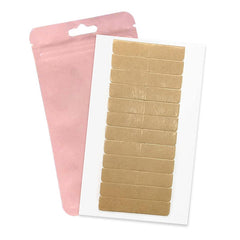
Brands that manufacture their own adhesive formulas specifically engineered for their wefts tend to deliver more consistent removal experiences than those using generic third-party tapes. GOO GOO Hair offers replacement tapes designed to match their extension system, ensuring adhesive compatibility throughout the product lifecycle.
Best Brands with Safe Removal Systems 2026
Some of the most reliable tape-in systems pair extensions with dedicated removal tools and compatible adhesives. A strong weft alone is not enough if the removal process is not properly supported.
| Feature | GOO GOO Hair | Donna Bella Hair | INH Hair |
| Hair Type | 100% Remy Human Hair | 100% Remy Human Hair | 100% Remy Human Hair |
| Adhesive Type | Professional-grade, scalp-friendly tape system | Professional salon-grade tape system | Professional-grade tape system |
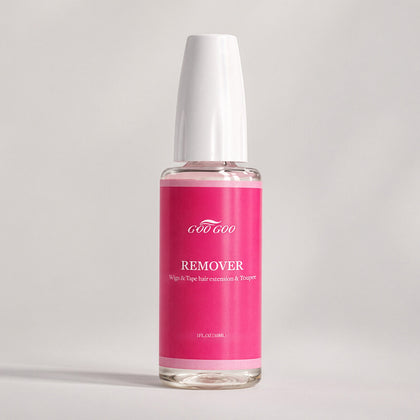
| Brand-Specific Remover | Yes (Glue Remover) | Yes | Yes |
| Remover Type | Oil-based | Alcohol-based+oil-based | Oil-based |
| Reusability | Multiple reapplication cycles with re-taping | Multiple salon maintenance cycles | Multiple uses with reapplication |
| Best For | Fine to medium hair, lightweight everyday wear | Salon + at-home hybrid users | Medium to thick hair types |
| Replacement Tapes Available | Yes | Yes | Yes |
GOO GOO Hair stands out for offering a complete ecosystem: 100% Remy human hair wefts, a dedicated glue remover, and replacement tapes available separately, along with a full set of removal tools, making the entire application-to-removal cycle accessible for both salon and at-home users.

Daily Maintenance to Extend Wear Without Damage
Sulfate-free shampoo and strategic brushing keep bonds intact between appointments. Poor maintenance causes matting and premature slippage, both of which lead to damage during correction.
-
Washing: Use sulfate-free shampoo 1-2 times per week. Avoid applying conditioner or oils directly on tape bonds.
-
Brushing: Use a loop brush or wide-tooth comb. Always hold the root area and brush from ends upward to prevent tugging on bonds.
-
Sleeping: Braid hair loosely or use a satin bonnet to prevent tangling overnight.
-
Styling: Limit heat tool contact with tape areas. Keep flat iron plates away from bonds.
-
Timeline: Schedule move-up or re-tape appointments every 6-8 weeks as natural hair grows out.
Common Mistakes That Cause Damage
-
Placing tabs too close to the scalp (may create ongoing tension and increase the risk of hair stress over time)
-
Using sections that are too thick (can concentrate weight on fewer strands and increase strain on the hair)
-
Skipping re-tape appointments beyond 6–8 weeks (outgrowth may shift weight distribution and increase pulling at the root)
-
Using incompatible removers (household oils without proper solvents may leave residue and make removal less effective)
-
Pulling when resistance is felt (if the bond does not slide easily, apply more remover and allow additional processing time)
-
Applying conditioner directly on bonds (may weaken adhesive hold and lead to slippage)
Removal Check Guideline
If you feel resistance during removal, pause and apply additional remover. Resistance often indicates that the adhesive has not fully broken down yet, and more processing time may be needed for a smoother removal.
When to See a Professional vs DIY
First-time users, individuals with fine or thinning hair, and those requiring color matching are best suited to start with professional installation. A stylist can assess appropriate extension weight for fine hair, customize placement to help avoid stress on vulnerable areas, and demonstrate proper removal techniques for future reference.
Experienced users with straightforward maintenance needs can manage at-home re-taping when using proper tools, including a complete removal kit, replacement tapes, and a tail comb. GOO GOO Hair provides these accessories individually, supporting both salon-assisted clients and confident DIY maintenance users.

Frequently Asked Questions
Q1: Do tape-in extensions cause hair loss even with proper application?
A1: Tape-in extensions that use professional, scalp-friendly adhesive systems and are properly applied and removed with compatible solvents are not typically associated with hair loss. Most issues arise from improper installation, excessive tension, or incorrect removal techniques rather than the extensions themselves. GOO GOO Hair uses professional, scalp-friendly adhesive designed for controlled, salon-safe application when used as intended.
Q2: How often should tape-in extensions be removed and reinstalled?
A2: Tape-in extensions are generally maintained every 6–8 weeks as the natural hair grows. Delaying maintenance may shift the attachment point further from the scalp, which can increase tension at the root area and affect overall wear balance.
Q3: Is oil-based or alcohol-based remover safer for tape-in extension removal?
A3: Oil-based removers are often considered gentler for fine or color-treated hair as they help break down adhesive more gradually. Alcohol-based removers typically work faster but may feel more drying depending on hair condition.
Q4: Can tape-in wefts be reused after removal?
A4: High-quality 100% Remy human hair tape-in extensions can typically be reused with proper care and fresh replacement tapes. GOO GOO Hair provides replacement tapes separately, allowing for multiple reapplication cycles over time.
Find Your Safe Tape-In System
Protecting your natural hair starts with choosing extensions designed for gentle wear and clean removal. Explore the full tape-in collection and compatible removal accessories at googoohair.com to build a system that works from first install through every re-tape cycle.


Comient (0)
No comments yet. Be the first to leave a comment.
Leave A Comment