


 sale
sale




May 21, 2026
Best Tape-Ins for Fine & Color-Treated Hair

You remove your tape-in extensions after a couple of months expecting soft, healthy hair underneath — but instead notice thinner-looking sections near the bonds.
For people with fine or color-treated hair, this is one of the most common concerns with extensions. However, in most cases, the issue is not the tape-in method itself, but improper weight matching, adhesive strength, or removal technique.
When applied and maintained correctly, modern lightweight tape-in extensions made from 100% Remy human hair can be one of the safest semi-permanent options for adding length and volume without excessive stress on delicate strands.

Why Fine and Color-Treated Hair Needs Special Tape-In Care
Fine hair strands have a smaller diameter, which means each section of natural hair supports more relative weight from an extension tab. This makes correct weight distribution critical.
Color-treated hair adds another layer of sensitivity. Chemical processing can increase porosity and reduce tensile strength, making strands more vulnerable to breakage and tension stress.
Because of this, fine or chemically treated hair requires:
-
Lightweight extension construction
-
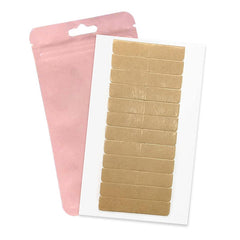
Flat, thin adhesive bonds
-
Careful sectioning during installation
-
Gentle removal techniques
When these conditions are met, tape-ins can blend naturally while minimizing strain on the scalp and follicles.

Where Damage Actually Comes From
In most cases, tape-in extensions do not directly damage hair. Instead, problems usually come from application or maintenance mistakes:
-
Improper placement — bonds installed too close to the scalp or on overly thin sections
-
Aggressive removal — pulling tabs apart without proper solvent
-
Overdue maintenance — keeping extensions longer than 6–8 weeks
-
Incorrect weight distribution — using tabs too heavy for fine hair density
-
Overly strong adhesive bonds — creating resistance stronger than natural hair can handle
When installed by a trained stylist and removed properly with an alcohol-based solvent, natural hair should remain intact through multiple reuse cycles.
What to Look For in Tape-Ins for Delicate Hair
For fine and color-treated hair, the goal is to reduce tension while maintaining secure wear.
Key features to prioritize include:
Lightweight Construction
Flat-Lying Tape Bonds
A thinner profile helps extensions sit closer to the scalp and reduces visible bulk.
Hypoallergenic Adhesive
Gentle adhesive formulas reduce residue buildup and allow cleaner removal.
Controlled Bond Strength
Strong enough to hold 6–8 weeks, but not so strong that it pulls on natural hair during removal.
Color Compatibility
Safe formulas should not react with dyed or chemically treated hair.
Brand Comparison for Fine Hair
Stylist Insight: For fine or fragile hair, many professionals recommend keeping total installed weight under 100g to avoid unnecessary tension at the root area.

How to Prevent Damage With Tape-In Extensions
Professional Installation Matters
Proper sectioning is essential. Each tape tab should be applied to a section of hair dense enough to support its weight without pulling. Stylists typically avoid the crown and hairline areas for clients with fine hair.
Safe Removal Technique
Always use a professional alcohol-based removal solution.
Steps:
-
Apply solvent generously to the bond
-
Wait 30–60 seconds for adhesive to break down
-
Gently slide tabs apart without pulling
Never force bonds open, as this is one of the most common causes of breakage.
Maintenance Schedule
Tape-in extensions should be repositioned every 6–8 weeks.
Waiting too long can lead to:
-
Root matting
-
Tangling at the bond site
-
Increased pulling on natural hair
Daily Care Tips
-
Use sulfate-free shampoo and lightweight conditioner
-
Brush gently using a loop brush from ends upward
-
Avoid applying heavy oils near bonds
-
Sleep with hair in a loose braid or satin bonnet
Tape-Ins vs Other Extension Methods for Fine Hair
Tape-ins are often considered one of the most balanced options for fine or color-treated hair due to their flat structure and even weight distribution.
-
Clip-ins: Low commitment, but daily attachment/removal creates repeated mechanical stress
-
Fusion bonds: Heat-based application may increase risk for already fragile or color-treated hair
-
Hand-tied wefts: Can be safe when installed correctly, but bead tension may be too heavy for very fine hair
Tape-ins offer a middle ground: semi-permanent wear with relatively low daily manipulation.

Who Should Be Cautious With Tape-Ins?
While tape-ins are suitable for many hair types, they may not be ideal for:
-
Severely damaged or over-bleached hair
-
Active traction alopecia cases
-
Very high shedding conditions
-
Extremely sensitive scalps
-
Postpartum hair loss phases
In these cases, lighter temporary solutions like clip-ins or halos may be more appropriate.
FAQ
Q1: Can tape-in extensions be reused on fine hair?
Yes. High-quality Remy human hair tape-ins can be reused multiple times when new adhesive tabs are applied and proper maintenance is followed.
Q2: How do I know if tape-in adhesive is safe for color-treated hair?
Look for hypoallergenic adhesives that are free from harsh chemicals or latex. Gentle bonding systems are less likely to react with chemically treated strands.
Q3: What is the biggest mistake with tape-ins on fine hair?
Leaving extensions in beyond 8 weeks is the most common cause of preventable damage due to matting and tension buildup at the root.
Q4: Are tape-ins better than clip-ins for daily wear?
For everyday wear, tape-ins are generally gentler because they eliminate repeated daily clipping, reducing mechanical stress on fine hair.

The safest tape-in extensions for fine and color-treated hair are lightweight, professionally installed, and properly maintained.
Prioritizing gentle adhesive systems, correct weight distribution, and regular maintenance cycles helps protect fragile strands while still achieving natural-looking length and volume.
If you are exploring seamless Remy human hair tape-ins designed for delicate textures, lightweight options can provide a balance between beauty and long-term hair health.


Comient (0)
No comments yet. Be the first to leave a comment.
Leave A Comment