


 sale
sale




May 21, 2026
Best Hair Extensions for Fragile & Thinning Hair

The most low-tension hair extension options for thinning or fragile hair are typically non-permanent systems such as halo extensions and lightweight clip-ins. Because these methods avoid continuous bonded attachment, they are generally considered gentler for delicate or low-density hair. For those seeking a semi-permanent option, fine tape-in extensions and ultra-thin hand-tied wefts can offer a balanced combination of fullness and lightweight wear when professionally installed and maintained.
GOO GOO Hair offers 100% Remy human hair extensions in both clip-in and tape-in styles designed with lightweight, flat weft construction intended to support more comfortable wear on fine strands. The guiding principle for fragile hair remains consistent: lightweight construction and balanced weight distribution help minimize unnecessary stress during long-term wear.
Understanding Fragile Hair Extension Challenges
Thin and fragile hair responds differently to tension than thicker, denser hair types. When hair is already delicate or low-density, attachment points may become more vulnerable to friction, pulling, and breakage if extensions are too heavy or improperly installed.
Why Thin Hair Requires Different Approaches
Fine hair has less structural strength per strand, meaning it may not tolerate the same weight or friction that thicker hair can handle comfortably. Extension methods designed for average-density hair can sometimes place too much stress on fragile strands, especially around sensitive areas such as the temples or part line. For fragile hair, the focus should shift from maximum volume to lightweight enhancement and strategic placement.
Understanding the Traction Alopecia Risk
Traction alopecia may develop over time when hair experiences repeated pulling or sustained tension at the roots. Extension methods that concentrate weight on small sections, use rigid attachment points, or require tight braiding may increase this risk, particularly for individuals already experiencing thinning or shedding. Choosing lower-tension methods and maintaining proper installation schedules can help reduce unnecessary stress on the hair and scalp.

Least Damaging Extension Methods Ranked
The most fragile-hair-friendly extension methods prioritize removability, lightweight construction, and balanced weight distribution. Below is a general comparison from lower to higher long-term attachment tension.
Clip-In Extensions (Temporary & Lightweight)
Clip-ins are widely considered one of the gentlest options for temporary hair enhancement because they can be removed after each wear session. This helps reduce overnight tension and friction during sleep.
Modern seamless clip-in designs, like those available from GOO GOO Hair, use ultra-thin wefts that lay flatter against the scalp and help distribute pressure more evenly across flexible clips. For fragile hair, occasional or shorter wear periods are often preferred over extended all-day daily wear.

Halo Wire Extensions (Minimal Attachment Stress)
Halo wire extensions involve very little direct tension on the natural hair because they rest on a thin invisible wire rather than attaching to individual strands. They are often recommended for very thin or compromised hair when temporary fullness is desired without continuous bonded attachment.
Tape-In Extensions (Flat & Lightweight Semi-Permanent Wear)
Fine tape-in extensions are generally considered one of the lower-tension professional methods for thin hair when installed correctly. Their weight is distributed across a flat, flexible tab rather than concentrated on a single attachment point.
For fragile hair, stylists often use extra-fine or single-sided tape tabs with fewer strategically placed wefts to avoid adding unnecessary tension near delicate areas such as the temples or part line.
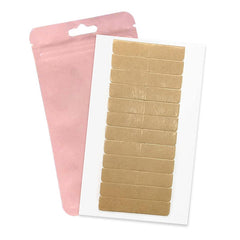
GOO GOO Hair tape-in extensions feature professional-grade adhesive systems designed to support a flatter, lightweight wearing experience while maintaining flexibility during daily styling and movement.
Hand-Tied, Genius & Butterfly Wefts
Hand-tied, genius, and butterfly wefts are ultra-thin weft systems sewn onto small beaded rows, helping distribute weight across larger sections rather than concentrated attachment points.
Genius and butterfly wefts are typically thinner and lighter than traditional machine wefts, which may help reduce bulk and visibility in sparse or low-density hair areas when installed properly by an experienced stylist.

Methods to Avoid on Fragile Hair
Traditional keratin bonds, standard micro-beads, and heavy machine-weft sew-ins may place more concentrated tension on fragile hair compared to lightweight alternatives.
Large keratin bonds and metal micro-beads attach weight to very small sections of hair, which can increase pulling and friction over time. Bulky machine wefts and tightly installed sew-ins may also feel too heavy for fine strands unless carefully customized by a stylist experienced with thinning hair.
Extension Method Comparison for Thin Hair
| Method | Relative Tension Level | Why |
| Halo wire | Lowest | No direct attachment to natural hair |
| Clip-ins | Low | Temporary daily wear with no long-term bonding |
| Lightweight tape-ins | Low–moderate | Even weight distribution with flat attachment tabs |
| Hand-tied / genius wefts | Moderate | Weight spread across beaded rows with professional customization |
| Fusion / bonded extensions | Higher | Individual strand bonding may increase long-term attachment stress |
Tape-in extensions are generally considered to fall within a moderate range in terms of long-term attachment tension. They distribute weight more evenly across wider sections of hair, but still involve adhesive contact and continuous wear compared to fully removable options.
What Makes Extensions More Suitable for Thin Hair
Choosing extensions for fragile hair depends on three key factors: weight distribution, attachment size, and professional installation quality.
Weight Distribution Principles
The total weight of extensions should be spread across the widest possible area. Flat wefts and tape tabs help achieve this by creating broader, thinner contact surfaces instead of concentrated attachment points. Less weight per section generally means less downward pull on delicate strands.
Attachment Size & Tension Points
Smaller, lighter attachment systems may reduce root stress compared to bulky bonds or heavy clips. Seamless clip-ins and fine tape tabs are often preferred for thin hair because they distribute tension more evenly across the scalp.
When evaluating any extension brand, look for 100% Remy human hair with thin, flexible weft construction designed to conform comfortably to the scalp.
Why Professional Application Matters
Technique matters just as much as method selection. A stylist experienced with fine or thinning hair can adjust placement density, avoid fragile areas like the temples, and customize tension based on your current hair condition.
Always ask to see before-and-after examples from clients with similar hair density before committing to a semi-permanent installation.
Choosing the Right Brand for Fragile Hair
The most important quality indicators for fragile hair include lightweight construction, high-quality Remy human hair, and flexible attachment systems designed for low-density placement.
GOO GOO Hair specializes in 100% Remy human hair extensions across clip-in and tape-in formats, with lightweight construction intended to support more comfortable wear for fine hair. Their tape-in extensions use professional-grade adhesive systems designed to sit flatter against the scalp, while seamless clip-in styles help reduce visible bulk in sparse areas.
The brand also offers free worldwide shipping and a 30-day exchange and return policy, making it easier to find a shade and length that works for your hair goals.
When evaluating any extension brand for fragile hair, prioritize:
-
Lightweight grams per weft
-
Verified Remy human hair quality
-
Thin, flexible attachment systems
-
Placement flexibility for low-density hair
-
Comfortable long-term wearability

Long-Term Damage Prevention Guide
Follow the 6–8 Week Maintenance Schedule
Semi-permanent extensions should typically be professionally repositioned every 6–8 weeks to help prevent tangling near the roots and reduce uneven tension as natural hair grows. Delaying maintenance appointments is one of the most common contributors to extension-related stress.
Use Proper Removal Techniques
Never pull or force extensions out. Tape-ins should be removed using a professional adhesive solvent, while beaded rows require careful opening techniques to avoid unnecessary tugging on fragile strands.
Daily Care Habits That Matter
-
Brush gently with a loop or soft-bristle extension brush, starting from the ends and working upward
-
Sleep on a satin pillowcase or wear a satin bonnet to help reduce friction
-
Avoid heavy oil or silicone buildup near attachment points
-
Fully dry tape tabs after washing
-
Never sleep in clip-in extensions
Signs Your Extensions May Need Adjustment
Check in with your stylist if you notice:
-
Increased shedding near attachment areas
-
Visible thinning around the temples or part line
-
Persistent scalp tenderness or discomfort
-
Tangling or matting close to the roots
-
Small bumps or irritation near bond areas
Who Should Speak With a Stylist Before Getting Extensions?
Professional guidance may be especially important if you are experiencing:
-
Active shedding or sudden thinning
-
Postpartum hair changes
-
Existing scalp sensitivity or irritation
-
Recent bleach or chemical damage
-
Very short or uneven hair density
A stylist experienced with fragile hair can help determine whether removable methods like halo or seamless clip-ins may be more appropriate than semi-permanent options.
Making Your Decision
Matching the Method to Your Lifestyle
If your hair is actively shedding or extremely fragile, a halo wire extension combined with a lightweight set of seamless clip-ins may provide fullness with minimal long-term attachment stress.
If your hair is thin but relatively stable and healthy, lightweight tape-ins or ultra-thin genius wefts may offer a balanced option for daily volume when professionally installed and maintained on schedule.
Questions to Ask Your Stylist
-
How many grams per section will be applied?
-
Do you specialize in fine or thinning hair installations?
-
What removal method do you use?
-
How do you minimize tension near delicate areas?
-
Can you show examples of clients with similar hair density?
FAQ
Q1: What is the gentlest extension method for active hair thinning?
Halo extensions and lightweight seamless clip-ins are generally considered among the lowest-tension options for active thinning because they avoid continuous bonded attachment and can be removed daily.
Q2: Can tape-in extensions cause traction alopecia on fine hair?
Tape-in extensions may contribute to traction-related stress if installed too tightly or worn beyond recommended maintenance intervals. When professionally installed with lightweight tabs and repositioned regularly, they are generally considered one of the lower-tension semi-permanent options for fine hair.
Q3: How do I choose between clip-in and tape-in extensions for thin hair?
Choose clip-ins if you prefer removable, occasional wear with greater flexibility. Tape-ins may be a better fit if you want longer-lasting daily fullness without reapplying extensions each morning.
Q4: How can I help prevent breakage while wearing extensions long term?
Maintain a consistent 6–8 week maintenance schedule, brush gently using extension-safe tools, avoid sleeping in clip-ins, and always use professional removal methods for semi-permanent extensions. Lightweight extension systems and balanced placement techniques may also help reduce unnecessary tension over time.


Comient (0)
No comments yet. Be the first to leave a comment.
Leave A Comment